
It’s time to Speed Action on Climate Change and Secure Our Future

The IPCC report warns that we must accelerate efforts to tackle climate change before it’s too late. Every individual and business has a role to play in combating climate change through reducing carbon footprint and investing in renewable energy.
Africa’s Electrolyzer Pipeline Capacity Has Reached 114 Gigawatts

Africa has made significant progress in developing renewable energy infrastructure, achieving a capacity of 114 gigawatts in electrolyzer pipelines. This growth is driven by increased investment in renewable energy sources and the private sector. Green energy not only reduces carbon footprint but also creates jobs and promotes economic growth. Although challenges remain, further growth in electrolyzer pipeline capacity is expected, leading to a brighter and more sustainable future for Africa and the world.
Sub-Saharan Africa can play a vital role in developing a prosperous green hydrogen economy.
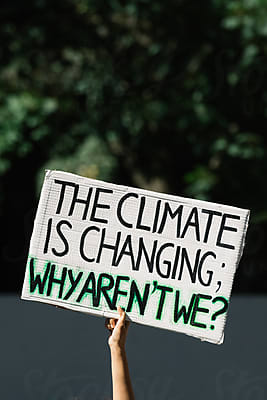
Sub-Saharan Africa has the potential to become a major producer of green hydrogen, a clean and sustainable source of energy, due to its vast land and solar resources. The global demand for green hydrogen is expected to increase significantly in the coming years, presenting a significant opportunity for the region to become a key player in the global green hydrogen market. However, challenges such as the lack of infrastructure and investment in renewable energy sources need to be addressed. The development of a green hydrogen economy in the region has the potential to drive economic growth and development by creating new jobs and stimulating local economies.
Europe sees Africa as a key partner in developing a green hydrogen economy.

This document discusses the potential benefits and challenges of a partnership between Europe and Africa to develop a green hydrogen economy. While green hydrogen production represents a major opportunity for African countries to diversify their economies and move away from fossil fuels, European countries could benefit from increased energy security and reduced emissions. However, this partnership must be built on mutual respect and cooperation, with a focus on shared benefits and the development of common standards and regulations that promote transparency, accountability, and sustainability.
Is it time for Africa to embrace hydrogen fuel?
Hydrogen technology has emerged as a potential solution to energy sustainability and could be an attractive alternative to conventional fossil fuels. Africa, with its abundant natural resources and growing energy needs, is an ideal location to reap the benefits of hydrogen technology. However, significant investments in infrastructure, education, and policy frameworks are needed to fully realize the potential of this innovative energy source.
Unleashing the Power of Electrolyzed Hydrogen: A Guide

This document discusses the potential of electrolyzed hydrogen as a clean and renewable source of both hydrogen and oxygen. Electrolysis creates a byproduct of oxygen gas that can be used in a wide range of applications, from medical to industrial settings. The use of electrolyzed hydrogen can contribute to reducing carbon emissions from the transportation sector and provide an eco-friendly alternative to conventional industrial processes. EVA Energy is committed to exploring the full potential of this technology and bringing it to the market.
What is the potential of hydrogen in achieving net zero?

Hydrogen is a key fuel in achieving net-zero emissions. It can replace fossil fuels without harmful emissions, and can be produced from renewable sources, stored and transported easily. Hydrogen can be used in fuel cells to generate clean and reliable electricity for electric vehicles, homes, and businesses. Challenges remain, including the high cost of production, storage, and the need for more infrastructure investment.
What Role Can Hydrogen Play in Reaching Net Zero?

Contrary to popular belief, Lorem Ipsum is not simply random text. It has roots in a piece of classical Latin.
Africa has been identified as a leading global player in the production of green hydrogen.

There are many variations of passages of Lorem Ipsum available, but the majority have suffered alteration in some form
